 0800 113 191
 info@redinspect.co.nz
Case Study: Settling a Fencing Dispute

Neighbours can get along just fine until a fence comes into question. When it leans, rots, or topples, arguments quickly start over who’s responsible. For one Auckland homeowner, a Red LBP Condition Report provided the clarity needed to resolve a tricky boundary fence dispute without it spiralling into a neighbourly feud.
The Situation
The homeowner noticed the boundary fence between their property and their neighbour’s starting to lean heavily after a winter of heavy rain. Before long, one section collapsed altogether.
The neighbour insisted it was the homeowner’s fault, claiming poor drainage on their side had undermined the posts. The homeowner disagreed, pointing to what looked like rot in the timber and suggesting the fence hadn’t been maintained properly.
With both parties convinced they weren’t to blame, the tension was building. Neither wanted to pay for a new fence without clear proof of responsibility. That’s when the homeowner engaged Red LBP for a Condition Report.
The Condition Report
A licensed inspector carried out a detailed assessment of the boundary fence and surrounding site. The report documented:
- Rotting timber posts – at ground level, showing long-term decay unrelated to recent weather.
- Lack of galvanisation – on some fixings, which had contributed to faster deterioration.
- Soil levels and drainage – on both sides of the fence, confirming no significant water pooling or run-off issues from the homeowner’s property.
- Overall age and condition – of the fence, estimated at 20+ years old, well beyond the typical lifespan of untreated timber.
The report included photographs and notes on each section of the fence, making it clear what had caused the failure.
The Findings
The Condition Report concluded that the fence collapse was primarily due to age and material deterioration, not the homeowner’s drainage. The decay in the posts had been progressing for years, and the lack of proper treatment or replacement was the key factor.
This finding was significant because it showed the damage wasn’t sudden or caused by one party’s actions, it was simply the natural end of life for an old fence.
The Outcome
Armed with the Condition Report, the homeowner was able to sit down with their neighbour and have a constructive discussion. Instead of arguing over blame, both parties agreed the fairest solution was to share the cost of replacing the fence.
The clear, independent evidence took the heat out of the dispute. The neighbour could see the issues weren’t caused by drainage, and the homeowner could feel confident they weren’t being unfairly blamed.
The Takeaway
Fencing disputes can escalate quickly, but a Red LBP Condition Report provides neutral, expert evidence that both sides can trust. By documenting the true condition of the fence, it shifts the conversation from finger-pointing to problem-solving.
For this Auckland homeowner, it turned a tense neighbourly standoff into a fair and amicable resolution, proof that sometimes the best tool for keeping the peace is a clear report.
READ SOME OF OUR OTHER RECENT BLOGS
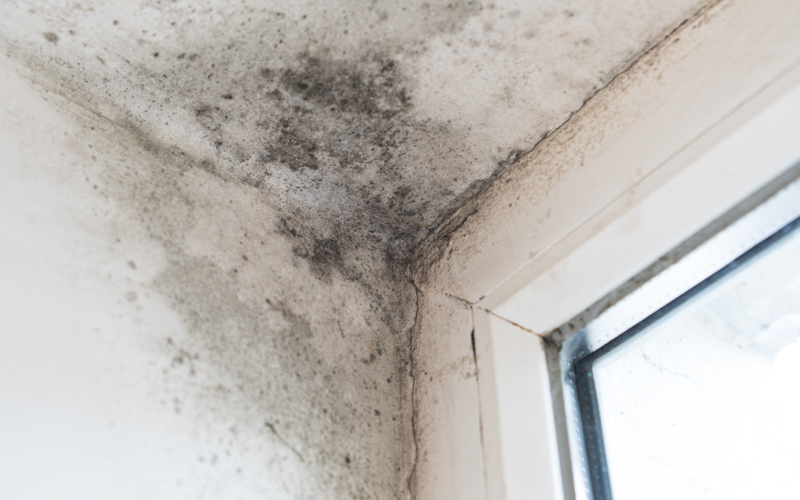
Case Study: Supporting Tenancy Issues
Tenancy disputes often come down to “he said, she said.” Without hard evidence, it can be difficult for tenants or landlords to prove who is responsible when maintenance problems arise….

Case Study: Independent Flood Damage Assessment
Flooding leaves more than mud and water stains, it leaves uncertainty. Homeowners are often left wondering what’s repairable, what’s a write-off, and how to prove the extent of the damage…
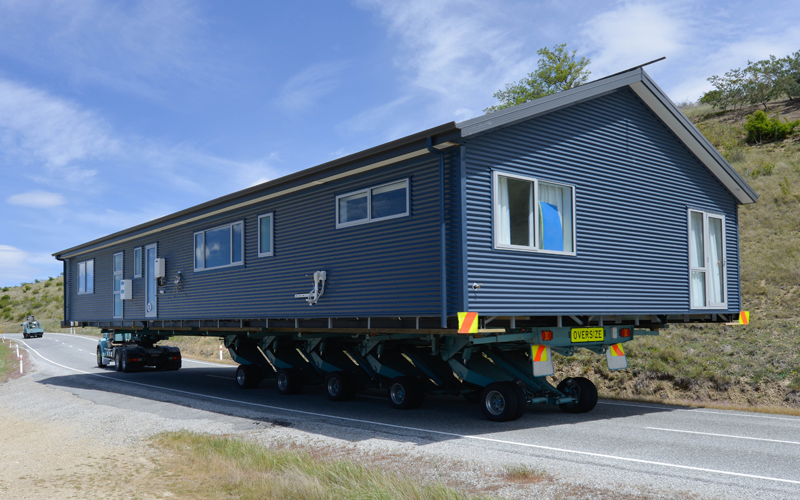
Case Study: Relocatable Homes – Meeting Council Requirements
Relocating a house can be a cost-effective way to get into your dream home, but it’s not as simple as calling in a truck and crane. Councils across New Zealand…

Case Study: Protecting Against Construction Impact
When major construction happens next door, even the best-built homes can be affected. Heavy machinery, ground vibration, and constant traffic can all cause damage that isn’t obvious until cracks start…