 0800 113 191
 info@redinspect.co.nz

Case Study: Relocatable Homes – Meeting Council Requirements
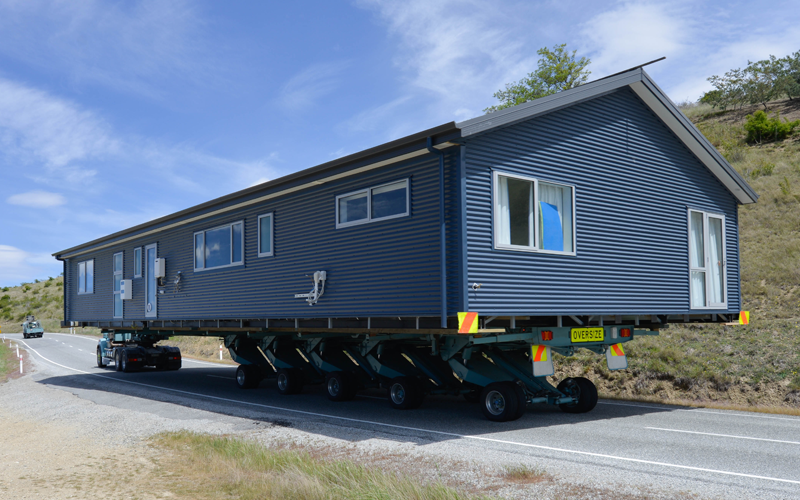
Relocating a house can be a cost-effective way to get into your dream home, but it’s not as simple as calling in a truck and crane. Councils across New Zealand require proof that the house is structurally sound before it can be moved, and again once it’s placed. That means a professional condition report isn’t optional, it’s essential.
The Situation
A young couple in the Bay of Plenty had purchased a piece of land and were excited about moving a character home from another site onto it. The price was attractive, and they were keen to save money by going the relocatable route rather than building from scratch.
When they began the consent process, council advised them they would need a formal Condition Report before approving the house to be shifted. They also explained that a follow-up report would be needed after placement, to confirm the building was structurally sound and fit for use in its new location.
The Condition Report
The couple engaged Red LBP to complete the required Condition Report. One of our licensed inspectors carried out a detailed assessment of the home, with a particular focus on:
- Structural integrity – of the subfloor, bearers, and joists, to ensure the house could handle the stress of being lifted and transported.
- Exterior cladding and roof – condition, checking for weaknesses that could lead to damage during transit.
- Joinery, linings, and fixings – documenting areas that were likely to move, crack, or need repair once the home was relocated.
- Compliance with council requirements – ensuring the report would be accepted as part of the consent process.
The Findings
The report confirmed that the house was generally sound and suitable for relocation. However, it did highlight some issues that needed attention:
- One bearer showing signs of rot – which would need replacing before the move.
- Fragile plasterboard linings – in certain rooms that would almost certainly crack during the relocation process.
- Roof flashings – that had deteriorated and were recommended for replacement once the house was on its new site.
None of these findings stopped the relocation, but documenting them was crucial for both council compliance and the couple’s budgeting.
The Outcome
With the Condition Report lodged, council approved the move. The transport company was able to prepare with confidence, knowing the structural elements were sound. After the house was placed, Red LBP completed the follow-up inspection, confirming the structure remained intact and identifying the cosmetic repairs required.
The couple went on to complete their renovations with no unexpected structural costs. Because they had the Red LBP Condition Reports at both ends of the process, council sign-off was smooth, and the project stayed on budget.
The Takeaway
For relocatable homes, a Condition Report isn’t just good practice, it’s a council requirement. Having Red LBP complete it ensures the report is thorough, compliant, and carried out by licensed building practitioners who understand both the regulations and the practical realities of moving a house.
In this case, it gave the couple the green light to move ahead, avoided delays in the consent process, and provided peace of mind that their investment was sound.
READ SOME OF OUR OTHER RECENT BLOGS
Case Study: Supporting Tenancy Issues
Tenancy disputes often come down to “he said, she said.” Without hard evidence, it can be difficult for tenants or landlords to prove who is responsible when maintenance problems arise….

Case Study: Independent Flood Damage Assessment
Flooding leaves more than mud and water stains, it leaves uncertainty. Homeowners are often left wondering what’s repairable, what’s a write-off, and how to prove the extent of the damage…

Case Study: Protecting Against Construction Impact
When major construction happens next door, even the best-built homes can be affected. Heavy machinery, ground vibration, and constant traffic can all cause damage that isn’t obvious until cracks start…

Case Study: Insurance Peace of Mind
Insurance companies don’t like surprises. When it comes to older homes, they often want a clear picture of the property’s condition before they’ll provide cover. For one Hamilton family, a…