 0800 113 191
 info@redinspect.co.nz
The Silent Invader: Understanding and Managing Lichen-Covered Roofs in New Zealand

At Red LBP, our pre-purchase building inspectors often come across roofs adorned with a natural but problematic growth: lichen. While it might lend a property a charming, rustic appeal, lichen can become a serious issue if left unchecked. In this blog, we’ll explore what lichen is, the potential problems it can cause for your roof, and the best methods for cleaning and maintaining a lichen-free roof.
What is Lichen?
Lichen is a composite organism formed from a symbiotic relationship between fungi and algae or cyanobacteria. It appears as crusty, leafy, or branching growths that attach firmly to various surfaces, including roof tiles. Given New Zealand’s diverse climate, lichen thrives particularly well in moist, shaded environments, making it a common sight on roofs, especially in areas with high rainfall.
Issues Arising from Lichen-Covered Roofs
- Structural Damage: Although lichen itself doesn’t penetrate roofing materials, its presence can lead to moisture retention. This constant dampness can cause roofing materials, particularly porous ones like clay tiles or wooden shingles, to deteriorate over time. In colder regions, the freeze-thaw cycle can exacerbate this, leading to cracks and eventual structural damage.
- Reduced Lifespan of Roofing Materials: The persistent moisture and root-like structures of lichen can shorten the lifespan of roofing materials. Over time, tiles may become brittle, making them more prone to cracking and breakage.
- Blocked Gutters and Drainage Issues: As lichen grows and eventually dies, fragments can break off and accumulate in gutters and downpipes, leading to blockages. This can result in water overflow, potentially damaging your home’s exterior walls, foundations, and even creating internal damp problems.
- Aesthetic Concerns: While some might appreciate the rustic look of a lichen-covered roof, many see it as an unsightly issue. For those considering selling their property, a lichen-covered roof could deter potential buyers and lower the perceived value of the home.
Best Ways to Clean and Maintain Lichen-Free Roofs
- Regular Inspections: Routine roof inspections can help identify early signs of lichen growth. Early detection allows for prompt action, preventing extensive coverage and potential damage.
- Manual Removal: For minor lichen infestations, you can gently scrub the growth off using a stiff-bristled brush. It’s important to be cautious to avoid damaging the roofing materials. Always prioritise safety-if in doubt, it’s best to hire professionals.
- Chemical Treatments:
- Biocides: These are effective in killing lichen. Ensure the product you use is suitable for your roofing material, and always follow the manufacturer’s instructions. Typically, biocides are sprayed onto the roof and left to act, with the lichen gradually dying off over several weeks.
- Moss and Algae Cleaners: Some commercial cleaners are designed to tackle a range of organic growths, including lichen. As with biocides, be sure to follow the application guidelines closely.
- Pressure Washing: Although pressure washing can effectively remove lichen, it can also be risky. High-pressure jets may dislodge roofing materials or force water under the tiles, potentially leading to leaks. If you choose this method, it’s advisable to consult professionals who can adjust the pressure to a safe level.
- Zinc or Copper Strips: Installing strips of zinc or copper along the roof ridge can help prevent lichen growth. As rainwater runs over these metals, it produces a solution that inhibits lichen formation as it flows down the roof.
- Improve Sunlight Exposure: Lichen thrives in shaded, damp environments. Trimming back overhanging branches can increase sunlight exposure, making the roof less hospitable to lichen.
- Regular Gutter Maintenance: Keeping your gutters clear of debris, including lichen fragments, will help prevent blockages and the associated risk of water damage.
READ SOME OF OUR OTHER RECENT BLOGS
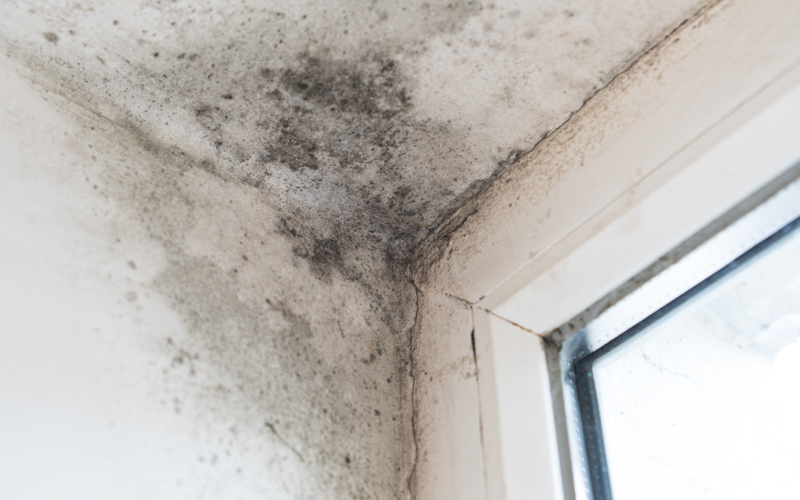
Case Study: Supporting Tenancy Issues
Tenancy disputes often come down to “he said, she said.” Without hard evidence, it can be difficult for tenants or landlords to prove who is responsible when maintenance problems arise….

Case Study: Independent Flood Damage Assessment
Flooding leaves more than mud and water stains, it leaves uncertainty. Homeowners are often left wondering what’s repairable, what’s a write-off, and how to prove the extent of the damage…
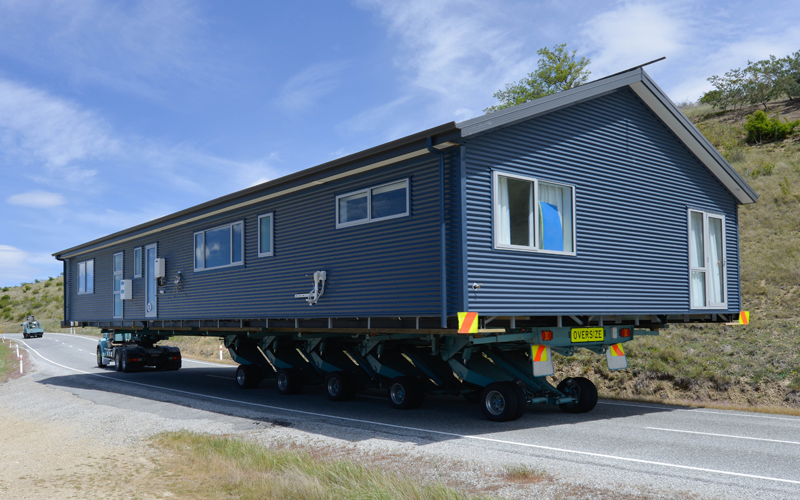
Case Study: Relocatable Homes – Meeting Council Requirements
Relocating a house can be a cost-effective way to get into your dream home, but it’s not as simple as calling in a truck and crane. Councils across New Zealand…

Case Study: Protecting Against Construction Impact
When major construction happens next door, even the best-built homes can be affected. Heavy machinery, ground vibration, and constant traffic can all cause damage that isn’t obvious until cracks start…