 0800 113 191
 info@redinspect.co.nz
Case Study: Quoting Smarter on a Commercial Conversion

Commercial-to-residential conversions can be some of the trickiest projects a builder will take on. What looks like a simple re-fit often hides layers of unknowns — older materials, dated services, and sometimes decades of patchwork fixes.
One Auckland builder learned this the easy way, by asking for a Red LBP Condition Report before submitting a quote on an office-to-apartment conversion.
The Situation
The client wanted to turn a 1970s office space on the second floor of a mixed-use building into a modern two-bedroom apartment. At first glance, it looked like a straightforward job — strip out the old desks and partitions, add a new kitchen and bathroom, and tidy everything up with new plaster and paint.
But the builder had been caught out before on conversions like this. Past projects had revealed everything from hidden asbestos linings to undersized floor framing. Instead of taking the risk, they suggested the client commission a Condition Report before they finalised the design and pricing.
The Condition Report
A Red LBP inspector went through the property with a fine-tooth comb. The report uncovered several issues that weren’t obvious during a walk-through:
- Old concrete slab cracking in one corner, which would have needed remedial work before flooring went down.
- Inconsistent ceiling insulation — some bays were empty, meaning energy efficiency would have been poor.
- Non-compliant bathroom ventilation, which would have failed if it had been signed off as residential without upgrades.
None of these findings were show-stoppers, but they were the sort of details that could completely change the cost and timeline of the project.
The Findings
With the Condition Report in hand, the builder sat down with the client and explained the reality: converting this office wasn’t just about hanging gib and adding a kitchen. There were structural repairs, insulation upgrades, and compliance issues that had to be handled first.
By being upfront, the builder avoided under-quoting and protected both themselves and their client from later disputes. They were able to build those elements into the quote with confidence, knowing exactly what needed to be fixed.
The Outcome
The client appreciated the honesty and realism. They adjusted their budget and timeline before committing to the project, rather than being blindsided halfway through. The builder, meanwhile, kept control of their margins and avoided the frustration of unexpected “extras” that would have eaten into their profit.
The renovation went ahead smoothly. There were no mid-project battles over costs, and the builder finished the conversion with their reputation enhanced — both for professionalism and for protecting their client’s interests.
The Takeaway
For builders, quoting is as much about risk management as it is about numbers. A Red LBP Condition Report gives you the facts up front, so you can price with confidence and avoid the traps hidden in older buildings. In this case, it turned a risky commercial conversion into a clear, well-managed project — proving once again that the smartest tool a builder can use is good information.
READ SOME OF OUR OTHER RECENT BLOGS
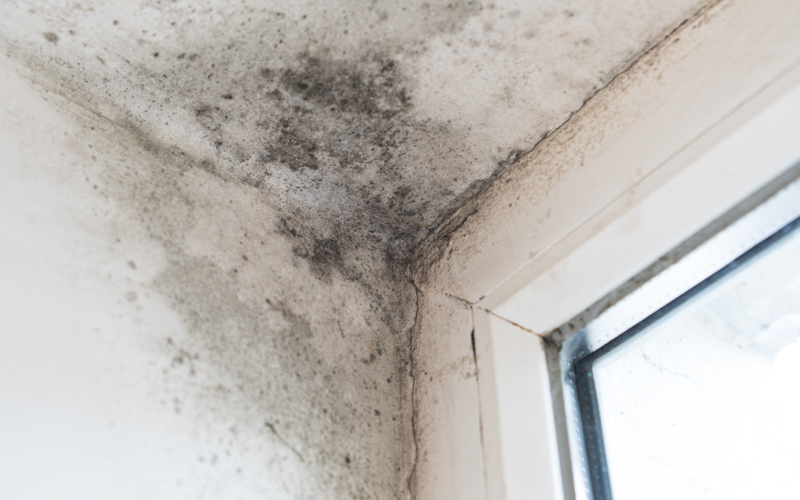
Case Study: Supporting Tenancy Issues
Tenancy disputes often come down to “he said, she said.” Without hard evidence, it can be difficult for tenants or landlords to prove who is responsible when maintenance problems arise….

Case Study: Independent Flood Damage Assessment
Flooding leaves more than mud and water stains, it leaves uncertainty. Homeowners are often left wondering what’s repairable, what’s a write-off, and how to prove the extent of the damage…
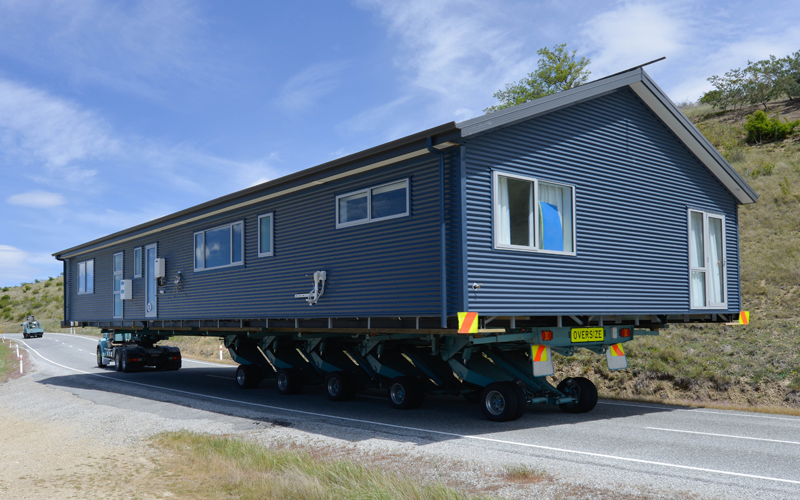
Case Study: Relocatable Homes – Meeting Council Requirements
Relocating a house can be a cost-effective way to get into your dream home, but it’s not as simple as calling in a truck and crane. Councils across New Zealand…

Case Study: Protecting Against Construction Impact
When major construction happens next door, even the best-built homes can be affected. Heavy machinery, ground vibration, and constant traffic can all cause damage that isn’t obvious until cracks start…